Understanding Meme Culture: How Memes Shape Communication Today
Meme culture influences our daily conversations and social interactions, revealing how humor drives connection in the digital age.
Introduction
Memes are the internet's inside jokes, but understanding meme culture turns those jokes into a powerful language for influence, identity, and yes, even business growth. In the span of a scroll, a meme can move from silly to strategic, conveying complex ideas faster than a press release ever could. Think of it as visual shorthand that speaks in punchlines and formats your audience already knows. That is why understanding meme culture matters for anyone communicating online, from creators to brands. Memes compress shared context, humor, and social proof into packages that are easy to remix and even easier to share. Used well, they amplify engagement, shape narratives, and connect communities that might otherwise scroll past.
Main Content
Understanding meme culture as a digital language
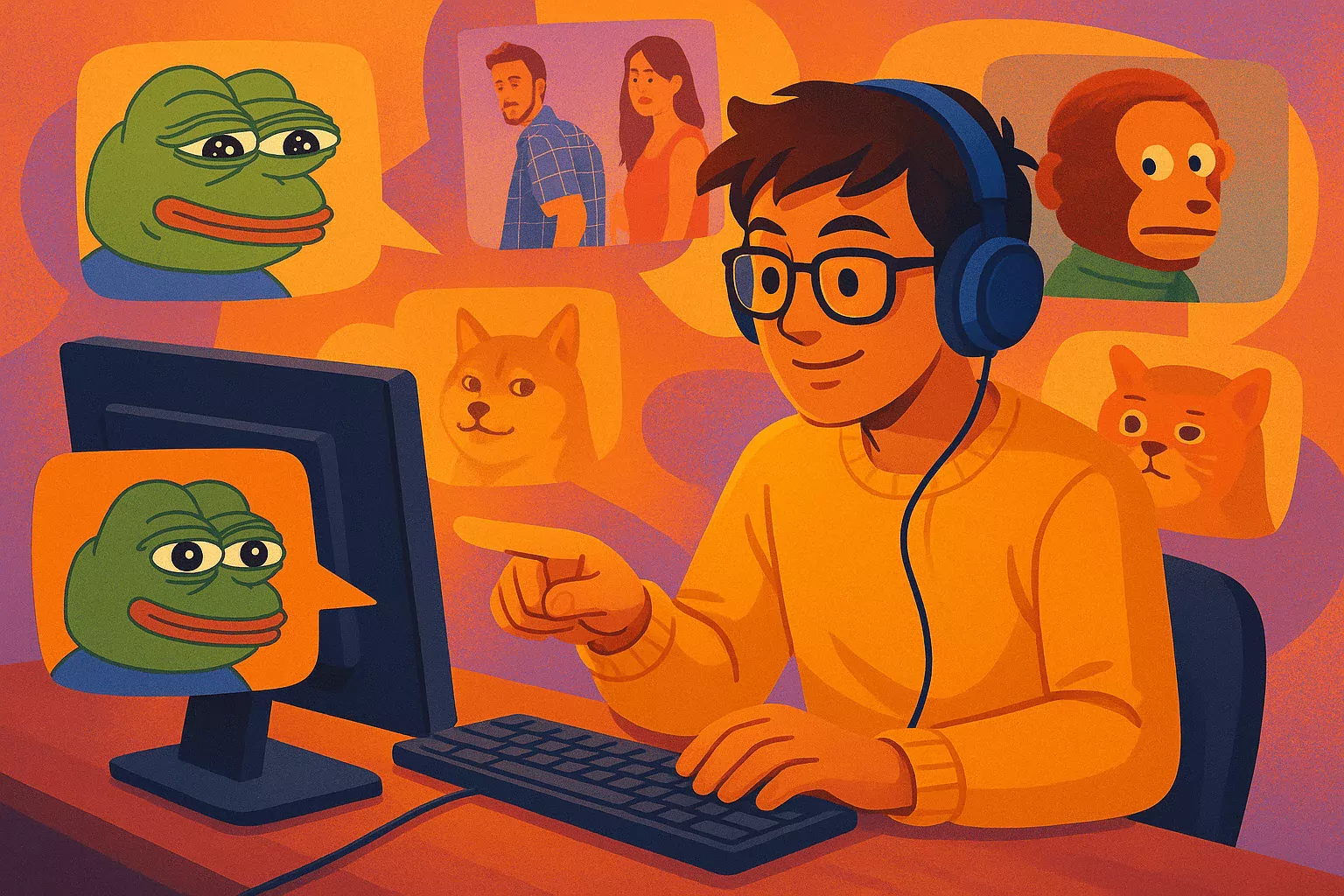
At its core, understanding meme culture means recognizing that memes are semiotic shortcuts, a remix-friendly vocabulary that trades in references. Formats like Distracted Boyfriend or This Is Fine carry built-in meanings that audiences instantly decode, which is why they spread faster than traditional ads. In practice, this language thrives on participation, where users tweak a template to reflect their emotions, opinions, or hot takes. Platforms reward this behavior with visibility because it signals relevance and timeliness. As a result, memes often function as social currency, helping people bond, dissent, or celebrate while skirting the long-winded explanations.
The best way to get fluent is to track the life cycle of a meme format, not just the punchline. Sites like Know Your Meme document origins and evolutions, which helps you avoid outdated or misused references. Context is everything, because many memes flip meaning as they evolve, and nobody wants to be the brand using last year's joke with this year's wrong vibe. You also need to watch for context collapse, where an in-group joke lands awkwardly with the general public. When in doubt, test memes with a small audience before scaling to wide distribution.
Using understanding meme culture for brand and business strategy
Brands win with memes when they align formats to a clear voice, audience insight, and platform norms. Consider how Duolingo's TikTok presence leans into absurd mascot humor to drive attention, while Wendy's X persona uses roasts to reinforce a challenger brand identity. The lesson is not to copy these voices, but to define your own lane and pick memes that fit it. For a professional service like a tax firm, relatable pain points and calendar moments are gold mines. Think gentle April 15 countdown humor, financial literacy memes, or playful riffs on refund expectations that educate while entertaining.
If you are turning memes into a repeatable tactic, build a lightweight process around ideation, approvals, and measurement. Create a small library of brand-safe meme templates and pair them with topical angles each week. Establish a fast review loop so timely trends do not expire in your inbox. Track results beyond likes by mapping each post to goals such as site visits, lead magnets, or booked consultations. If you want support building this playbook, explore Premier Tax and Business Services' solutions on our services page or reach out via contact.
The psychology and mechanics behind virality
Memes spread because they are emotionally efficient and socially rewarding. Humor lowers defenses and boosts recall, while shared references signal belonging to an in-group. People post memes to manage identity, status, and mood regulation, which is why a perfectly timed format can carry more persuasive weight than a lengthy argument. Networks amplify what is remixable and recognizable, creating a positive feedback loop of visibility. Research on memetic culture and digital participation, such as analyses in MIT Press's Memes in Digital Culture, helps explain why formats that are easy to tweak travel further and faster than one-off jokes.
On the mechanics side, algorithms privilege engagement velocity, so early reactions matter. Encourage quick comments and duets, and reply fast to kickstart conversation. Reduce friction by using clean, legible text and platform-native tools so your meme does not look like a screenshot of a screenshot. Keep an eye on credible trend sources like Pew Research Center to understand broader shifts in online behavior, and tap archives like Know Your Meme for lineage. Over time, you will see patterns in what your audience shares, which you can fold back into your content calendar and campaign planning.
Conclusion
Understanding meme culture is not about chasing every trend. It is about learning the grammar of formats and using humor, clarity, and timing to communicate what matters. When you align memes with a consistent voice and concrete goals, they become an efficient bridge between your audience's attention and your message. If you want help applying these ideas to your brand storytelling, taxes, or financial education content, Premier Tax and Business Services is here to help. Explore our blog, get tailored guidance via services, or contact us at www.premiertbs.com. Call Premier Tax and Business Services at (314) 669-7300 to turn culture into clarity and clicks into clients.
Frequently Asked Questions
What is meme culture and why does it matter for businesses?
Meme culture is the shared system of formats, references, and remix practices that powers much of online communication. It matters for businesses because it compresses complex ideas into familiar, high-engagement packages. When used intentionally, memes can educate, diffuse tension, and make messages sticky without dumbing them down. They also invite participation, turning passive viewers into active sharers. For brands, that combination of speed, clarity, and shareability is a competitive advantage.
How can a professional brand use memes without hurting credibility?
Start by defining boundaries around tone, topics, and visual style so your memes feel on-brand and respectful. Choose formats that support your message instead of hijacking it, and favor informative humor over snark if trust is your currency. Pilot content with small audience segments or Stories to gauge reaction before pushing to the feed. Credit sources when appropriate and avoid formats with problematic origins or double meanings. Finally, pair meme posts with useful resources or next steps so they ladder up to real outcomes.
What metrics should we track to know our meme strategy is working?
Track leading indicators like reach, saves, shares, and comment velocity to understand resonance. Then connect those signals to business metrics such as site sessions, time on page, and conversions attributed from social. Use UTM parameters and landing pages to isolate performance for each meme or series. Benchmark against your non-meme content to see whether you are lifting overall engagement or just chasing novelty. Over time, build a simple dashboard so wins are visible beyond the marketing team.