Top 10 Memes That Defined a Decade of Online Humor
A countdown of the most iconic memes from the last ten years that shaped internet culture and brought laughter to millions.
Meta Title: memes
Meta Description: Discover 10 iconic memes that shaped online humor and learn how brands can use them smartly without cringey mistakes.
Introduction
The last decade of memes and meme culture turned the internet into a global inside joke, and we all RSVP'd. Memes spread fast because they compress emotion, timing, and context into tiny shareable packages. Audiences bond over formats, remix trends, and sly references that reward participation. Brands joined in too, sometimes nailing the tone and sometimes learning the hard way. Understanding memes means understanding how people talk online today. This guide highlights the 10 memes that set the tone, plus practical marketing lessons you can actually use.
Main Content
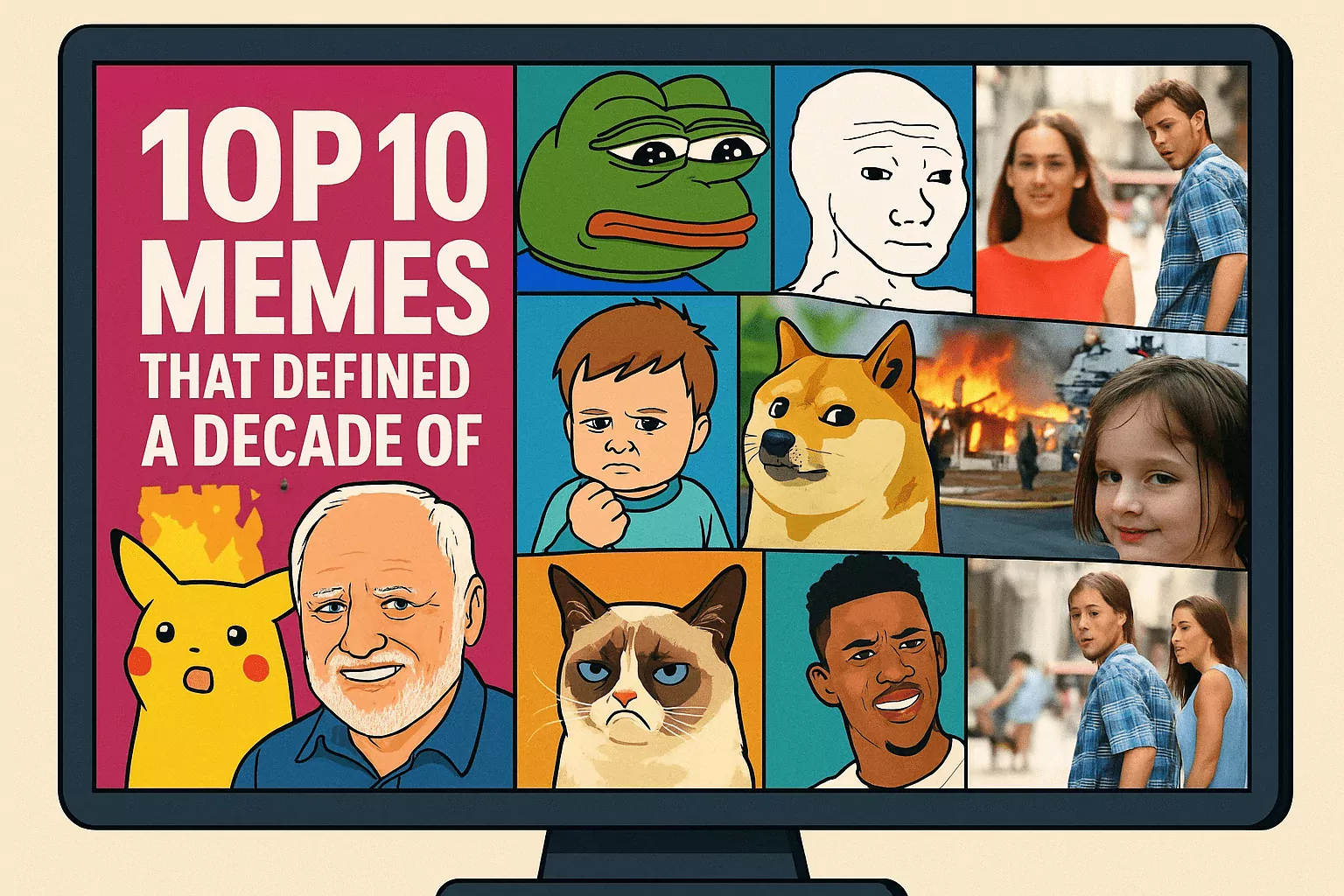
1. Distracted Boyfriend memes
This stock photo became the blueprint for plug-and-play storytelling. The format works because roles are crystal clear and instantly relatable. Users label the characters, and boom, conflict appears in one glance. Brands used it to show shifting preferences and industry pivots. The lesson is simple framing makes shareable stories.
Use cases include product launches that steal attention from old habits. It shines when you highlight trade-offs with a wink. Keep labels short for quick scanning and laughs. Avoid punching down or calling customers disloyal. Reference roots with a nod to Know Your Meme if you want credibility.
2. This Is Fine memes
The dog in a burning room captured our collective calm-in-chaos vibe. It spread because uncertainty became a daily mood. People use it to joke about complex problems without heavy explanations. Brands use it sparingly to acknowledge pain points with grace. The tone works best when paired with solutions.
Apply it to highlight common customer struggles you actually fix. Use it after outages, delays, or messy systems, then show the fix. A little self-awareness goes a long way here. Do not trivialize real crises or sensitive events. Empathy plus clarity beats cheap shock every time.
3. Woman Yelling at a Cat memes
The split panel format is built for contrast and punchlines. One side brings drama, the other side deadpan humor. It thrives on exaggerated reactions to innocent truths. Users love the rhythm because it sets up jokes fast. It is clean enough for wide audiences, including brand feeds.
Use it to highlight common misconceptions in your niche. Put the myth on the left and the quiet fact on the right. Keep copy minimal and visual contrast strong. It is great for playful corrections and product education. Keep it light to avoid sounding condescending.
4. OK Boomer memes
This catchphrase turned into a shorthand for generational friction. It spread because it packed tone, critique, and humor into two words. The format helped younger audiences push back quickly. As a brand, tread carefully here with tone. Punch lines should target problems, not people.
Use it only for culture-savvy audiences who get the context. Swap it with neutral parallels if your audience skews broad. Try problem-first jokes about outdated processes or tools. Focus on modernization and shared progress instead. Keep brand voice inclusive and smart, not smug.
5. Galaxy Brain memes
Galaxy Brain thrives on escalating absurdity. The joke builds through stacked comparisons and a final twist. It rewards readers who enjoy meta humor and satire. Educators and analysts also remix it for conceptual ladders. The format is perfect for playful thought leadership.
Use it to unpack choices, missteps, and better strategies. Show the wrong approach, then the wiser upgrade. Keep captions short and the payoff crisp. Avoid mocking users who are still learning basics. Use it to inspire growth, not gatekeep knowledge.
6. Change My Mind memes
The table sign template invites debate with a wink. It works because the setup signals permission to riff. People jump in to remix the sign with hot takes. Brands can use it to drive commentary on industry norms. The key is sparking discussion without being toxic.
Use it for harmless takes your audience can flip. Seed smart replies and highlight the best ones. Turn top responses into follow-up content. Credit creators to build trust and community. Keep moderation tight so it stays fun.
7. Baby Yoda memes
The Child became the era's mascot for wholesome delight. The meme worked because cuteness crosses every demographic line. Brands used it for comfort, joy, and soft launches. It pairs with kindness campaigns and seasonal content. Be mindful of licensing and IP boundaries here.
Use a similar vibe with your own mascot or visuals. Aim for gentle humor and community warmth. Tie it to customer thank-yous and wins. Avoid overuse that dulls the magic. Protect brand safety with original art and rights.
8. Bernie Sanders Mittens memes
Bernie at the inauguration became a universal mood board. The visual joked about practicality and relatable comfort. It exploded because it was timely, wholesome, and remixable. Brands joined with localized or product-flavored edits. Speed mattered more than polish for this trend.
Use this as a timing playbook for event memes. Prepare assets before big cultural moments. Move fast, add value, and keep it respectful. Tag your region or niche for fit. Archive wins on your blog to show voice and timing.
9. NPC Wojak memes
The NPC variant explored conformity and online identity. It spread because people debate authenticity on platforms. The meme can turn edgy or dehumanizing fast. Brands should treat this format with caution. Safer play is to study it, not post it.
Learn the psychology behind in-group and out-group humor. Build campaigns that validate individuality and voice. Encourage user stories instead of labeling audiences. If you use Wojak, keep it neutral and friendly. When in doubt, pick a safer template instead.
10. How It Started vs How It's Going memes
Before-after posts turned into concise transformation stories. The format showcases progress without bragging walls of text. It works for careers, products, and community projects. Brands used it for testimonials and impact snippets. It blends social proof with snackable storytelling.
Feature client results with permission and clarity. Pair visuals with one data point and one quote. Link to deeper case studies for context. Keep it real, not overly polished. This is where memes and meme culture meet business outcomes.
Conclusion
These 10 memes shaped how we joke, learn, and connect online. They prove that shared formats can carry big feelings fast. Used carefully, they also help brands teach, empathize, and delight. If you want help applying this playbook to your content, we can assist. Contact Premier Tax and Business Services at premiertbs.com or call (314) 669-7300 today. Explore our services and get in touch via contact, and let us help you communicate with clarity and style.
For further reading on culture and platforms, see Pew Research Center and the overview on Internet memes to ground your strategy in facts and trends.
Frequently Asked Questions
What makes memes go viral in the first place?
Memes go viral when timing, emotion, and clarity align. The best templates compress complex ideas into quick visuals. People share them to signal identity and belonging. Remixes add ownership and momentum to the trend. Research hubs like Know Your Meme track this lifecycle well.
How can a small business use memes without being cringey?
Start by listening before posting anything. Use templates your audience already enjoys and understands. Keep the joke tied to a real customer insight. Post sparingly and measure engagement quality, not just reach. If in doubt, test tone in Stories or a small channel first.
Are memes risky for professional brands?
They can be if tone or context misses. Avoid jokes about sensitive events or identity groups. Keep humor aligned with mission and values always. Have a quick review process before publishing. When used smartly, memes humanize brands and invite conversation.