The Secrets Behind Viral Social Media: Strategies for Success
Master proven strategies to create viral social media content that boosts engagement and grows your audience effectively.

Introduction
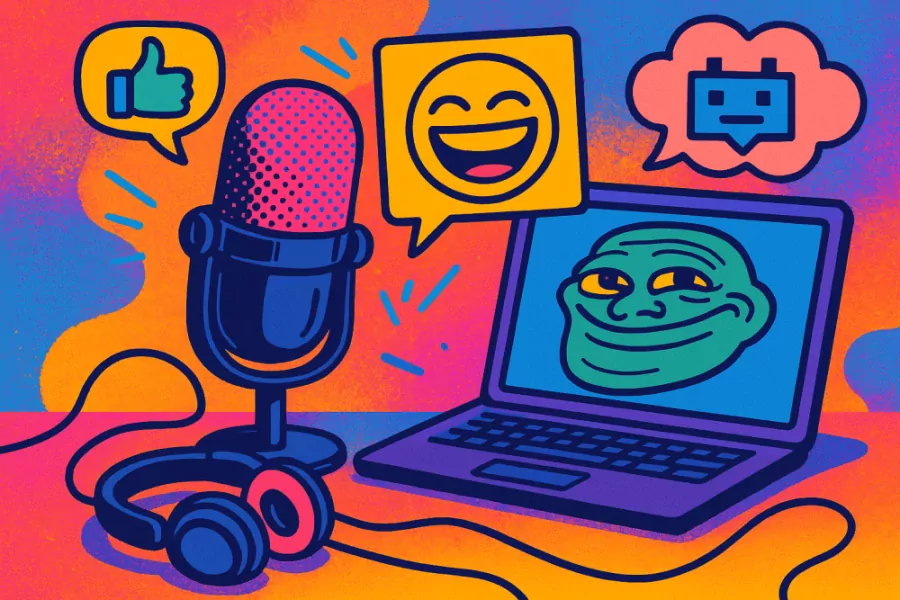
Viral social media is not magic; it is psychology, timing, and a sprinkle of meme-fueled chaos. If you want your brand to travel faster than a cat in a cardboard box, you need to understand how memes and meme culture convert attention into action. The biggest wins start with emotional triggers, social currency, and content that people want to be seen sharing. In other words, your post has to make them look clever, funny, helpful, or all three. This blog breaks down repeatable strategies, examples, and a few snarky notes from the front lines. By the time you finish, you will have a clear playbook for turning viral social media moments into measurable growth.
Main Content
Psychology behind viral social media and memes
Memes work because they compress complex feelings into simple, shareable formats that spread at the speed of scroll. Researchers often point to emotional arousal as a driver of sharing, where awe, humor, and anger outperform calm, neutral content. Jonah Berger's STEPPS framework (Social currency, Triggers, Emotion, Public, Practical value, Stories) is a practical lens for decoding what spreads and why. In memes and meme culture, social currency is huge: people share posts that make them look in-the-know or delightfully unhinged in the best way. Brands can ethically leverage this by aligning content with real audience pain points and cultural moments, not just chasing trends for clout. The result is content that feels native to the feed instead of an ad wearing sunglasses indoors.
Consider a finance brand turning tax dread into a relatable meme about the W-2 that ghosted the mailbox. The premise is simple and timely, but it hits triggers: relatability, mild anxiety, and relief via humor. A composite case from our work shows that meme-based posts around seasonal moments can lift saves and shares significantly, creating downstream spikes in profile visits and click-throughs. When practical value joins the party (think a quick checklist in the caption), completion rates and comments also climb. According to research snapshots like Pew's Social Media Fact Sheet, platforms remain attention hubs where shareable formats spread quickly across networks. Put bluntly: if you want to scale reach, learn the mechanics of why people share before you ship content.
Creating for viral social media: hooks, formats, and repeatable frameworks
The first three seconds are everything, so lead with a hook that promises value or a laugh your audience recognizes from their own life. For short video, open with the punchline frame, then rewind; for static posts, write hook-first captions before you design. Memes and meme culture thrive on templates because they reduce cognitive load, letting the brain skip straight to the joke or insight. Build a repeatable content system: two meme formats per week, one quick tip carousel, and one reaction or stitch to a trending topic. Use brand-safe humor and keep your visual identity recognizable, even when you are borrowing a template. Think of each post as a conversation starter, not a billboard shouting into the void.
Formats that repeatedly drive outcomes include simple image macros, reaction greenscreens, and carousels with bite-size tips that reward swipes. For tax and business service brands, carousel frameworks like "What changed this year," "3 red flags to fix before filing," or "Audit-proofing myths" can stack practical value on top of relatability. A composite example: a small business services firm used a trending "Is it cake?" format to compare deductible vs. non-deductible expenses, which lifted profile taps 42% week-over-week. The trick was pairing the meme with a clear CTA and a helpful link in bio that converted curiosity into consultations. If your team needs help shaping topics into revenue, consider aligning content with service pages so discovery leads somewhere useful. Internal links keep momentum moving from views to business outcomes.
Distribution and timing for viral social media: seeding, community, and momentum
Even the best content needs a push, so plan distribution like a launch, not a hope-and-pray upload. Seed posts to relevant communities and creators who speak your audience's language, and invite responses via stitches, remixes, or duets. Time posts to audience behavior, not your coffee schedule; lean on insights to find when saves, shares, and comments spike. Encourage early engagement by DMing partners, team members, or micro-influencers who can authentically interact within the first hour. For B2B or service brands, align post timing with calendar moments like quarter-end, tax deadlines, or funding windows when attention is already primed. Momentum compounds when your content feels both timely and useful.
Cross-post smartly, adapting to each platform's native quirks instead of copy-pasting like a bot on autopilot. On TikTok, lead with personality and lean into sounds and stitches; on Instagram, prioritize Reels, carousels, and saves; on LinkedIn, use a narrative hook with clean formatting and a clear takeaway. Keep the friction low by linking to specific service or booking pages, not just your homepage. A simple UTM strategy helps you learn which posts drive actual leads versus vanity numbers. When something pops, iterate fast: cut shorter clips, spin off a meme variant, or expand a carousel into a mini-guide that you repurpose for email. Speed, not perfectionism, is the friend of virality. External source: TikTok Creative Center | Internal: Contact
Conclusion
Viral social media is a system you can learn: hook with emotion, deliver genuine value, and distribute like a strategist, not a spam cannon. Memes and meme culture give brands a native language to earn attention without shouting. Focus on audience insight, platform-native formats, and fast iteration when something catches fire. Tie discovery to outcomes with crisp CTAs and clear landing pages so virality translates into leads. If you want help turning social buzz into booked revenue, contact Premier Tax and Business Services at 314( 669-7300 or visit www.premiertbs.com. Let's make your next scroll-stopper pay dividends at tax time and beyond.
Meta Title: viral social media
Meta Description: Proven tactics to spark viral social media growth using memes, psychology, and strategy. Learn hooks, formats, and distribution that convert.
Frequently Asked Questions
What makes memes so effective for viral social media?
Memes strip ideas down to a format our brains process instantly, using familiar templates and shared cultural references. They deliver emotional payoff quickly, prompting people to share as a form of social currency. When paired with timely triggers and practical value, memes can educate while entertaining, making them sticky beyond a single scroll. The key is relevance: your audience must see themselves in the joke or the insight. Keep humor brand-safe and aligned with your positioning, and test different templates to see what sparks saves and comments. Done well, memes act as jet fuel for distribution without feeling like ads.
How do I measure if a viral social media post actually helped my business?
Start by tracking mid-funnel indicators like saves, shares, profile visits, and link clicks, not just views. Add UTMs to links that map each post to a specific landing page or service offering. Watch for downstream actions such as contact form submissions, booked calls, or newsletter signups within 7-14 days of the post. Compare conversion rates for viewers who arrived via high-share posts versus other channels to see quality, not just quantity. Review comment themes to identify objections or topics to turn into follow-up content. If a post goes wide but drives no qualified actions, rework your CTA, landing page clarity, or timing.
How often should a business post to achieve viral social media results?
Quality beats spam, but consistency creates surface area for luck to find you. A practical cadence for most small businesses is 3-5 posts per week across one or two primary platforms. Use a repeatable calendar with themed days so your team is not reinventing the wheel each time. Reserve one slot for trend participation and one for evergreen meme or tip content tied to your services. After 30 days, evaluate top performers and double down on formats that earned saves, shares, and clicks. The goal is a sustainable system that compounds, not a one-hit wonder that leaves you burnt out.