The Impact of Memes on Modern Communication and Social Media
Memes shape online conversations and influence how we connect, making them essential for marketers and social media users.
Introduction
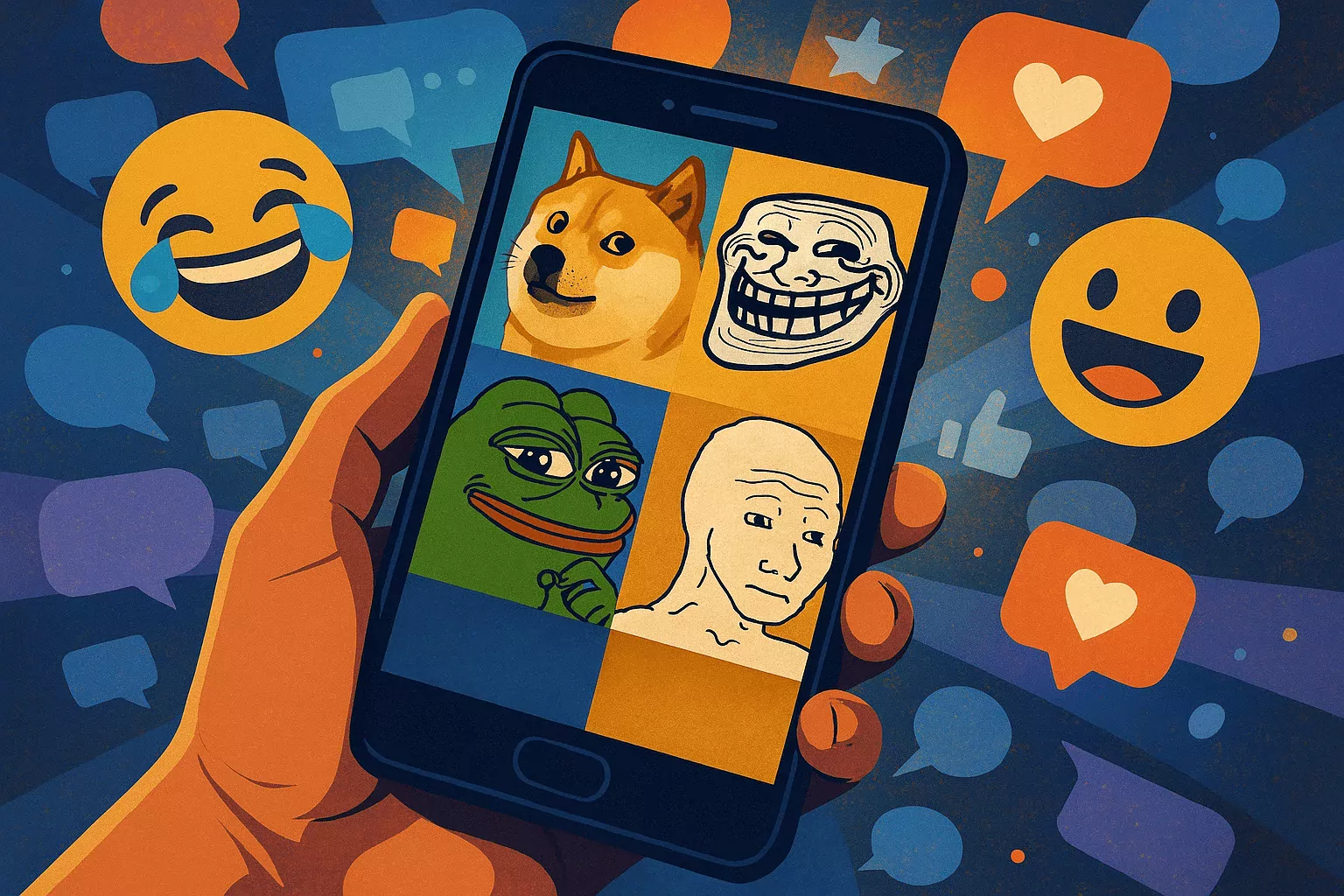
Memes are the internet's inside jokes turned public billboards, and they shape how we talk, laugh, and even argue online. In the first scroll of your feed, you will likely see memes that compress cultural commentary into a single image and punchy caption. Memes and meme culture are a shorthand for shared context, turning complex ideas into quick, sticky signals we can remix in seconds. They cross platform borders on TikTok, Instagram, Reddit, and X, hitching a ride on trends and attention like very cute, very persuasive hitchhikers. Brands use them to show they get the joke, and communities use them to build belonging. If you are planning a strategy for social media, ignoring memes is like showing up to a costume party in a spreadsheet.
Main Content
How memes reshape language, community, and meaning
Memes compress meaning, giving us portable cultural symbols that travel faster than long-form posts. From "Distracted Boyfriend" to "This is fine," templates provide familiar scaffolding that audiences can decode instantly. That shared structure builds community, because users recognize the pattern and feel invited to play along. Linguists might call this a visual dialect, and yes, it is surprisingly nuanced. The result is a participatory language that lets people critique politics, celebrate wins, or roast their group chat with minimal text.
Communities form around the specific ways they remix memes, and that remixing creates identity. A finance subreddit will interpret a template differently than a K-pop fandom, because context and in-group knowledge drive the joke. Memes and meme culture thrive on this remix loop, where each iteration adds a wink to the last. Brands can participate when they contribute something additive and audience-first, not just a sales pitch wearing sunglasses. Do it right, and you signal you understand the room without shouting. Do it wrong, and the room replies with a thousand quote-tweets of regret.
The psychology of sharing memes and the mechanics of virality
People share memes because they deliver quick emotion, status, and belonging with almost no effort. Research on virality shows content is more shareable when it evokes high-arousal emotions like awe, anger, and amusement, and memes are engineered for those sparks. They also function as social currency, signaling taste, humor, and tribe membership to our networks. Platform mechanics amplify this, as algorithms prioritize rapid engagement and velocity. When a meme hits an identity nerve and meets a timely moment, it moves in cascades that feel inevitable.
Evidence backs the pattern: emotional triggers and practical utility consistently drive spread, and visual formats lower friction. Wharton's overview of contagious content highlights how emotion and usefulness increase sharing, providing a simple lens for meme strategy (source). Broader studies show how information can travel widely even when quality varies, which is why context and accuracy matter for brands (Science). To build responsibly viral memes, target emotional clarity without sacrificing truth or empathy. That balance builds trust as well as reach.
Memes for business: practical playbook, pitfalls, and performance
Yes, even tax and accounting brands can win with memes, because relatability is the whole point. During tax season, a regional firm leaned into filing-day anxiety with tasteful humor and saw click-through rates lift 38 percent on Instagram Stories compared to non-meme posts. The difference was timing, tone, and relevance, not just the punchline template. If you are mapping a plan, start with audience pain points and seasonal moments, then choose templates that match the emotion. For professional services, aim for clever, not cruel, and useful, not spammy.
Use this practical, low-risk playbook to add memes to your strategy without losing brand credibility:
Track performance as seriously as you track the punchline. Define KPIs like engagement rate, saves, profile visits, and assisted conversions, then tag links with UTM parameters for attribution. Compare meme posts to non-meme benchmarks to assess incremental lift by channel. Add accessibility with clear alt text and readable contrast, and be mindful of copyright and fair use when repurposing images. If your brand is ready to test a meme pilot tied to campaign goals, align it with your broader content calendar and compliance needs. For hands-on support integrating content and conversion, explore our services or reach out via contact anytime.
Conclusion
Memes translate culture into quick signals that travel fast, build community, and nudge behavior. For brands, they are not a replacement for strategy, but a flexible, low-cost tool to increase relevance and reach. The winning approach blends empathy, timing, and measurement, with careful guardrails for brand safety and accuracy. Treat memes as a creative layer on top of solid offers, useful resources, and clear CTAs. If you are ready to test, start small, measure honestly, and scale what works.
Want help aligning content with real business outcomes, from social strategy to tax-smart planning for your next campaign? Partner with Premier Tax and Business Services for marketing-savvy financial guidance that respects both memes and margins. Call 314-669-7300 or visit premiertbs.com to get started, or explore our blog for more insights. When you are ready to turn engagement into earnings, we are ready to help.
Frequently Asked Questions
Are memes appropriate for serious industries like tax, finance, or legal services?
They can be, if you respect context and treat humor as a bridge to value rather than the entire destination. The safest path is to target universal truths your clients already joke about, like deadline stress or paperwork chaos. Keep the tone empathetic and the CTA helpful, such as linking to a checklist or consultation page. Avoid punching down or using templates tied to controversial events, and steer clear of politics. Test on one platform with a small series, then expand based on data. Many professionals find that memes humanize their brand without reducing credibility when crafted with care.
How do I avoid legal or copyright issues when using meme templates?
Start by creating original assets or using templates that are widely considered fair to remix, but remember fair use is context-specific. Avoid watermarked images, licensed characters, or photos that are clearly proprietary. When in doubt, commission your own on-brand templates that nod to popular formats without copying them outright. Credit creators when appropriate, and never reuse a meme that includes a private individual without permission. Keep legal review in the loop for regulated industries. This protects your brand and ensures the joke does not become an invoice.
How do I measure ROI from memes beyond likes and laughs?
Define leading and lagging indicators before you post, so you know what success looks like. Leading indicators might include saves, shares, profile visits, and DMs, all of which correlate with intent. Lagging indicators include email signups, form fills, booked calls, and assisted conversions in your analytics. Use UTMs and channel groupings to attribute downstream actions to meme-post entry points. Compare control and test periods to isolate lift, and pair with qualitative signals like comment sentiment. Over time, roll meme learnings into your broader content strategy for compounding gains.