The Art of Breaking Down Popular Memes: Insights into Social Media Trends
Master the skill of analyzing popular memes to stay ahead in social media trends and engage your audience effectively.
Introduction
Behind every viral image macro or TikTok sound is a story about attention, identity, and timing, which is why breaking down popular memes is essential for anyone serious about social media. When we unpack memes and meme culture, we see how communities remix language and visuals to say more with less. That shorthand carries cultural signals that brands can join when they understand the rules of engagement. From format fluency to trend cycles, knowing what to use and when to use it separates clever from cringey. This article walks through methods for decoding formats, matching platforms, and measuring ROI with real examples. Along the way, we will share ways to test, scale, and stay brand safe, without losing the humor that makes memes work.
Main Content
Breaking down popular memes as cultural signals brands cannot ignore
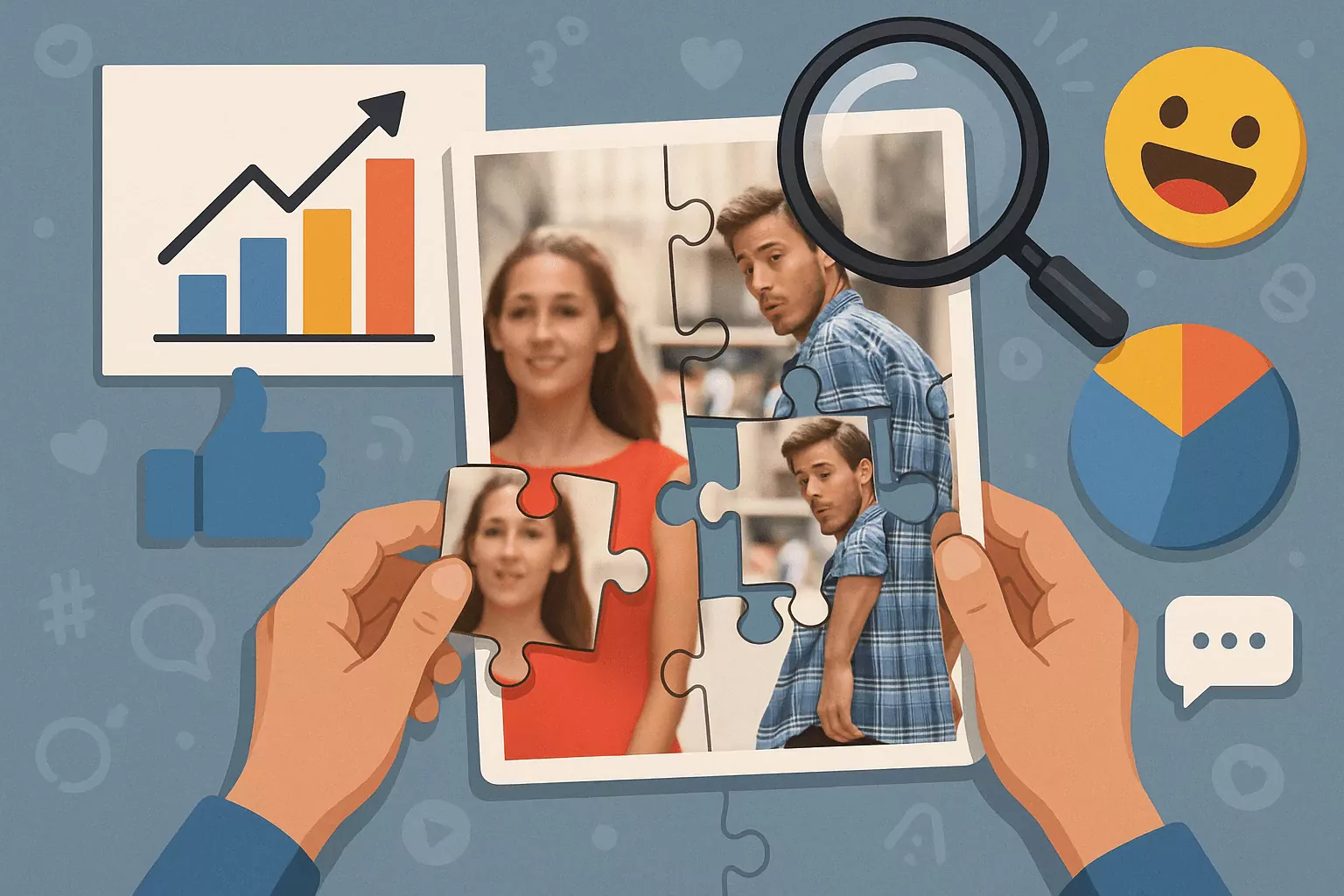
Think of breaking down popular memes like learning a dialect that moves faster than a group chat. Memes and meme culture compress complex feelings into quick hits that people recognize in a fraction of a second. The "Distracted Boyfriend" template became a case study because it lets users map countless scenarios onto a familiar triangle. When brands tap it well, they co-create with audiences and spark comments rather than eye rolls. A clever local cafe once remixed the template for seasonal drinks and tied it to neighborhood landmarks, earning press and a line out the door. The lesson is simple: the format is a container, but the context and timing are what make it resonate.
Look at the Bernie-in-mittens moment, where cozy practicality met political theater and instantly went everywhere. Nonprofits used it to highlight warmth drives, while small businesses turned it into limited-run products with charitable tie-ins. The remixability and low barrier to participation made users feel included, not marketed to. For brands, this shows how cultural heat plus a value-aligned twist can drive engagement and goodwill. When analyzing a meme, ask what emotion it packages, who feels seen by it, and how your brand voice can add value without hijacking the joke. That is the heart of decoding memes without becoming the meme for the wrong reasons.
Breaking down popular memes across platforms and formats
Not every meme belongs everywhere, and that is where platform literacy pays off. On TikTok, sound-first trends and stitching reward timely participation and creator collaboration. Instagram Reels favors punchy captions and clean visuals that land in the first two seconds. Reddit rewards authenticity, source credit, and community-specific norms that punish lazy brand drops. X (formerly Twitter) leans into speed, banter, and reframing current events across threads and quote posts. To do this well, track each platform's remix mechanics and plan creative that respects format, not just copy-paste the same post everywhere.
One retailer tested a trending audio joke on TikTok, then translated it to a still meme for Instagram with a carousel of customer reactions. The TikTok version delivered shares and duets, while Instagram drove saves and comments, and both pointed to a light promo code. Side by side, the posts felt native, not syndicated, which is why the campaign lifted store visits by double digits. To replicate, build a meme playbook that defines each platform's tone, visual pacing, caption style, and call to action. Use versioning rather than duplication so each audience sees your post as an invitation, not a broadcast. The smart remix beats the lazy repost every time.
Breaking down popular memes into measurable business impact
Memes are fun until someone asks about revenue, so let us make the path from laugh to ledger visible. Start with near-term signals like saves, shares, and profile taps, then tie them to mid-funnel metrics such as session starts and add-to-cart. Use unique landing pages, UTM parameters, and time-boxed offers so attribution is more than a shrug emoji. Track halo effects too, because the right meme can lower CAC for weeks by boosting brand familiarity. One regional service firm ran a tax-season meme series that drove 40 percent more inquiries week over week, confirmed by tagged phone calls and form fills tied to the posts. When the creative hits, the data will show it, if you built the tracking first.
Risk management matters, because the internet never sleeps and screenshots last forever. Set guardrails for topics to avoid, humor boundaries, and approval workflows for anything near sensitive categories. Ensure you have rights or fair-use rationale for templates, and avoid posting user photos without consent. Create rapid response playbooks for comments and press escalation so small issues stay small. For small businesses, partner with a savvy advisor who speaks both marketing and compliance to keep the jokes sharp and the paperwork clean. That is how you turn a viral moment into lasting trust rather than a one-day spike.
Conclusion
Memes are cultural shorthand, and breaking down popular memes lets brands translate that language into timely, on-brand storytelling. When you respect the format, match the platform, and instrument the data, you turn laughs into loyalty and clicks into customers. Keep humor human, guardrails clear, and tracking airtight, and you will ride trends without getting swept away. If you want help aligning creative wit with real business outcomes, Premier Tax and Business Services can be your guide. Call 314-669-7300 or visit www.premiertbs.com to get strategy, analytics, and compliance working together for your content. Serving St. Louis and beyond, we help you scale smart, stay safe, and grow faster.
For further reading on trends and culture, see Pew Research Center, format histories on Know Your Meme, and virality analysis from Harvard Business Review. If you want a quick primer, here is your must-bookmark link to breaking down popular memes so you can dive deeper any time.
Frequently Asked Questions
What does breaking down popular memes actually involve?
It starts with identifying the template, the emotion it carries, and the in-jokes that make it click. From there, analyze the origin, the communities amplifying it, and the pace of the trend cycle. Map how the meme has been remixed and what creative constraints the format expects. Then evaluate brand fit, platform fit, and timing, so you add rather than interrupt. Finally, build trackable variations and test with small spends or organic first. This gives you a repeatable process, not guesswork, for working with memes and meme culture.
How can small businesses use memes without being cringey when breaking down popular memes?
Start by listening to communities before speaking, and learn the format conventions before posting. Keep the joke about a relatable customer tension, not a punchline at your audience's expense. Make your brand the helpful narrator or playful friend, not the try-hard class clown. Localize where possible, because neighborhood and niche humor often lands better than generic trends. Test on Stories or ephemeral posts first to gauge reactions before committing. When in doubt, collaborate with creators who live in memes and meme culture and let them lead.
Are there legal or ethical risks in breaking down popular memes for marketing?
Yes, so it pays to be careful and informed. Many meme templates are photographs or artworks with underlying rights, so consider licensing or using public-domain or platform-provided assets. Respect attribution norms and avoid republishing user content without consent. Watch for sensitive topics where humor could be misread and harm your brand. Maintain an approval process and document decisions for accountability. A little caution upfront keeps your campaign clever, compliant, and welcome in the feed.
How do I measure ROI when breaking down popular memes into content?
Tie each meme post to a unique URL or code so you can connect engagement to site behavior and leads. Track weighted metrics, giving shares and saves more value than likes for early signals. Use post-click analytics to see if sessions are qualified with scroll depth, product views, or tool usage. Compare performance to non-meme baselines to isolate lift rather than assume causation. Build a simple dashboard that rolls platform metrics into funnel stages weekly. With consistent tagging, you can prove which formats and platforms turn attention into action.